

Student-Grade and Artist-Grade Art Supplies: Key Differences Every Artist Should Know
Student-grade and artist-grade art supplies may look similar, but they serve different purposes. Student-grade options are affordable and great for learning, often using mixed pigments for cost efficiency. Artist-grade supplies contain higher-quality pigments, offering richer...
Walking into an art store, the aisles filled with vibrant pencils, paints, and brushes can evoke a sense of wonder. But behind that inviting array lies a subtle, fascinating world of quality and purpose. If you’ve ever wondered what sets student-grade supplies apart from artist-grade ones, you’re not alone. This question often confuses both beginners and experienced creators. Today, let’s explore the story behind these categories, revealing why the choice of materials can shape your creative journey in unexpected ways.

Understanding the Basics of Art Supplies
Imagine you’re picking out colored pencils for a project. You see two options: “student” grade pencils and “artist” grade pencils. At first glance, the difference might seem like just a price tag or a catchy label. But beneath that lies quite a bit more: different crafting processes, ingredients, and ultimately, experience. This is where understanding the distinction between student and professional art materials becomes essential for making the right choice.
What Makes Student Grade Supplies Ideal for Beginners?
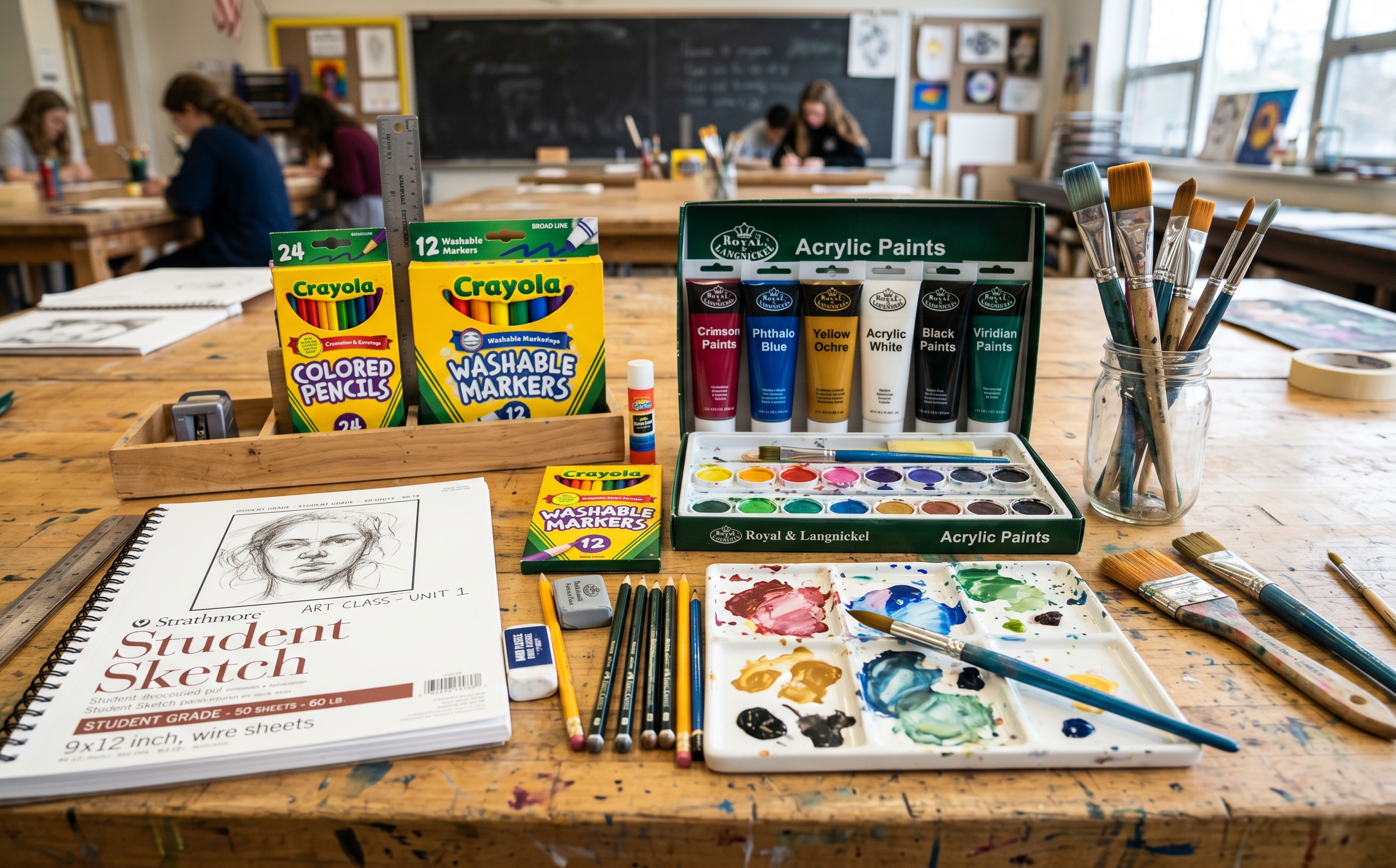
Student grade supplies are designed with learning and experimentation in mind. These materials tend to be more affordable, durable, and forgiving. They usually have a bit less pigment concentration in art supplies, which means colors can be lighter and less vibrant. This isn’t a flaw, actually; it’s part of what makes them accessible.
If a beginner accidentally presses too hard with a colored pencil or mixes a less-than-perfect shade, the softer quality of the supply allows room for adjustment and growth. Teachers and students appreciate these qualities because they balance affordability and quality in art materials while covering the basics.

Why Artist Grade Supplies Deliver Superior Results
On the other side of the spectrum, artist-grade supplies tell a different tale. These tools and materials are crafted for professionals and passionate hobbyists who demand precision and richness. The pigments usually come in higher concentration, providing deeper, more vivid color payoff.
This becomes especially noticeable when exploring a comparison of artist and student-grade paints, where artist-grade paints offer intensity and permanence that elevate finished work. The binders, fillers, and formulations are often chosen to ensure longevity, consistency, and smooth application.
For example, an artist-grade oil paint won’t just sit on the canvas; it will maintain its integrity for decades without cracking or fading. This quality comes with a price, but it also offers a rewarding experience for those who want their work to stand the test of time.
The Experience: Texture, Control, and Performance
Beyond pigments and durability, there’s a tactile element to artist-grade supplies. They feel different in hand: pencils glide more smoothly, brushes hold shape better, and papers accept mediums without warping.
This difference becomes clearer when exploring the art supplies suited for beginners and professionals, as each category is designed to complement the artist’s level of control and expectation. The connection between the creator and the material can become almost intuitive, a silent dialogue that fuels creativity.

How to Choose the Right Supplies for Your Needs
Choosing between student and artist grade can depend on your creative goals. If you’re exploring new techniques or filling sketchbooks to break creative blocks, student-grade supplies offer plenty of room to experiment without worry.
But if you’re preparing for a final piece that you want to display or sell, investing in artist-grade supplies often yields lasting results that reflect your dedication. If you’re unsure where to begin, understanding how to select the right art supplies for beginners can help you navigate your options with confidence.
It’s worth noting that the boundary between student and artist grade isn’t rigid. Many suppliers produce “intermediate” or “studio” grades that serve as a bridge. And many artists start with student-grade tools and upgrade as their skills and needs evolve.
Final Thoughts: Let Your Materials Match Your Vision
Ultimately, the decision hinges on understanding how materials react to your hand and vision and allowing yourself the freedom to explore various options throughout the process. The most expensive brush won’t magically create a masterpiece, but the right tools for your current stage might bring your ideas closer to life.
As you continue your creative journey, choosing reliable sources for your materials matters just as much as the materials themselves. Explore quality supplies and inspiration at The Good Store, where creativity finds the tools it deserves.