

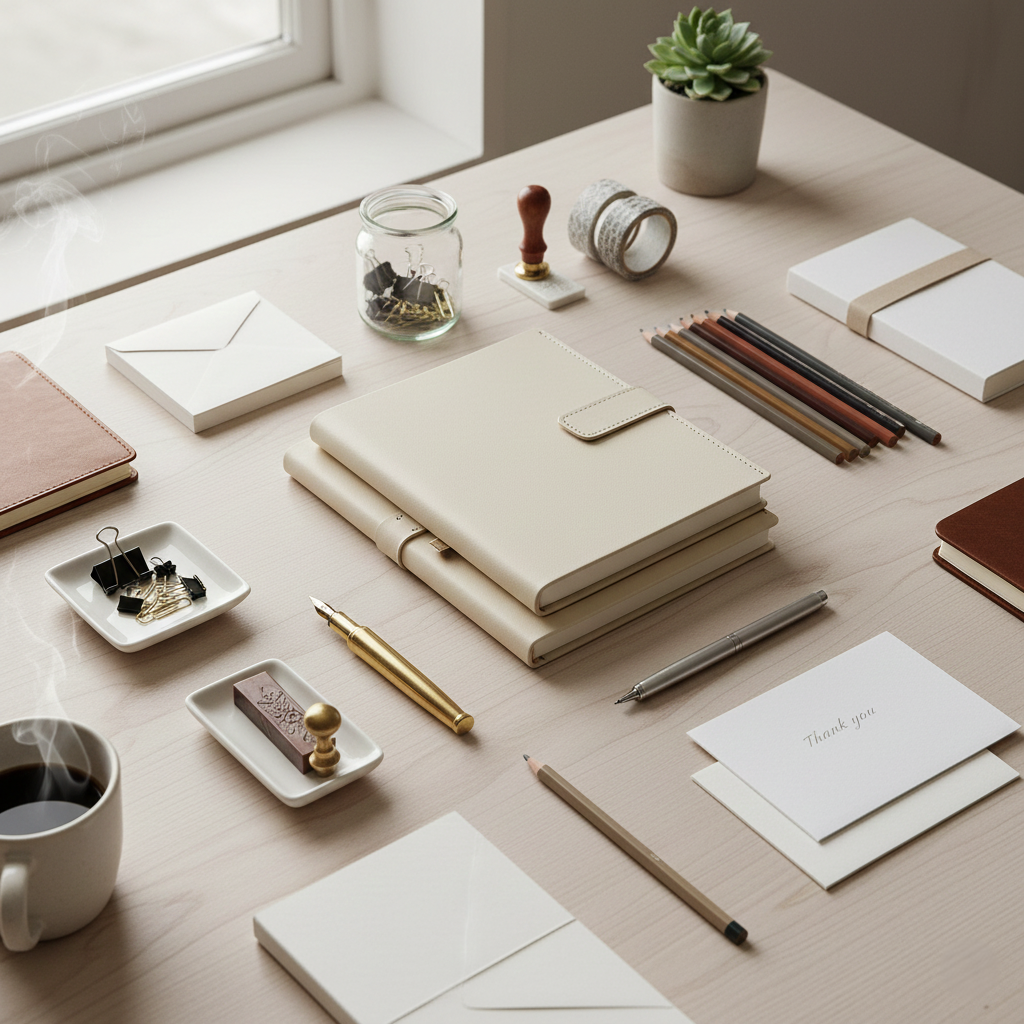

The Essential Checklist for Your Next Visit to an Art Shop
Planning a visit to an art shop? From choosing the right tools to exploring materials that match your creative goals, this essential checklist helps you make the most of your trip. Discover what to look...
Walking into a great art shop feels like shifting into a more imaginative orbit. The shelves hum with possibility and the air smells faintly of pigment and paper. Before you spend time browsing, a short checklist helps you shop with purpose and bring back materials that actually get used. This guide will steer you through choosing supplies, evaluating quality, and prepping for projects in a way that keeps creativity flowing. If you want a quick place to start while planning your trip, consider browsing curated sketching items to identify a few essentials that match your style and budget.

Why a checklist matters at the art shop
An art shop often presents more options than time. A checklist protects you from impulse buys that sit unused and helps you assemble a kit that supports your current work.
-
Saves money by prioritizing needs over wants.
-
Speeds decision making so you can spend more time creating.
-
Helps you test and compare similar products under the same lighting and touch.
Before you go: what to decide at home
A little prep at your desk makes the shopping trip efficient.
-
Define your project. Are you planning quick sketches, a mixed media piece, or a staged painting?
-
Measure your workspace so that canvases and easels fit.
-
Set a comfortable budget range for essentials and one small splurge.
-
Bring reference images or a note of preferred colors and paper weights.

Essential categories to visit in the art shop
When you arrive, move through the store with these areas in mind so nothing important is missed.
Paper and surfaces
-
Choose paper weight for the medium you will use. Heavier stock resists water and layering.
-
Examine the tooth and finish. Smooth paper suits ink and markers. Textured paper works well for graphite and charcoal.
-
If you paint, compare canvases by weave and priming.
Drawing tools
-
Look for pencils in a range of hardness and for charcoal that smudges cleanly.
-
Try out mechanical pencils for consistent lines.
-
Pick a few erasers with different properties for lifting versus shaping.
Paints and color
-
Select paint type that fits your process such as water-based or oil based.
-
Start with a limited palette of primary hues and add a single favorite color to expand your range.
-
Smell test oil paints if possible to check for strong solvents.
Brushes and applicators
-
Hold brushes before you buy to check balance and comfort.
-
Match brush shape to technique. Round brushes are versatile. Flats create edges.
-
Synthetic brushes often work well with water media and are easier to clean.
Tools and extras
-
Palettes in the right size help you mix without waste.
-
Masking tape that removes cleanly protects edges.
-
A reliable sketchbook prevents tears and records progress.
Focused shopping: sketching tools and paint essentials
If you have limited time, pick a small set of tools that will cover most situations. Start with a solid sketch kit including a midweight sketchbook, a set of graphite pencils, and a kneaded eraser. For painting pick a small selection of tubes in a few warm and cool primaries plus a basic brush set. You can explore more options in the store but having these core items helps you test variations and compare brands on the spot. If you prefer curated bundles and guided pairings try the store’s suggested lists under paint essentials to speed up your selection.
How to test materials in the art shop
Trying before buying preserves your budget and prevents disappointment.
-
Make a small mark with each pen or pencil on a tester sheet. Check dryness, bleed, and feel.
-
Wet a corner of paper to see how it holds up to wash and layering.
-
Dip a brush in a sample of paint to test flow and transparency.
-
Ask staff for quick demos or sample sheets if available.
Questions to ask staff at the art shop
Staff can shorten the learning curve. Ask direct questions and listen for practical answers.
-
Which papers are best for mixed media projects?
-
How do these paints behave when layered or thinned?
-
What cleanup routine preserves brush life?
-
Do you offer trial packs or sample sizes?
Budget tips and smart substitutions
Quality matters but you can prioritize.
-
Spend on the items you touch most like brushes and paper. Choose economical options for palettes and accessories.
-
Buy student grade paint for practice and upgrade to professional pigments for final pieces.
-
Consider refillable tools to reduce long term cost.
Packing and transportation advice
Getting your supplies home safely is part of the trip.
-
Use a sturdy bag or case to keep tubes and bottles upright.
-
Roll canvases or protect corners to prevent dings.
-
Store wet media separate from dry tools until fully closed.
Project-ready checklist (printable)
-
Project goal and reference images.
-
Notebook for color notes and ideas.
-
Midweight sketchbook and graphite set.
-
Small tube set of paints and basic brush set.
-
Masking tape and palette.
-
Portable case or bag for transport.
Final shopping mindset
Treat the art shop like a resource and a laboratory. Try things gently. Compare similar items side by side. Accept that taste develops with use and that the right combination of tools supports steady growth.

Conclusion
A well prepared trip to an art shop turns browsing into a productive pilgrimage that supplies momentum for the studio. With a short plan and a few prioritized purchases you will return with tools that invite regular use and help develop skills. If you prefer guided editing and thoughtfully grouped kits that remove guesswork, explore offerings from the good store to find curated bundles and friendly recommendations that accelerate your next creative project. Pack the checklist, pick a small splurge and enjoy the way good materials make practice feel more possible and more fun.