
A Complete Guide to Art Crafts for Beginners
Starting your creative journey becomes much easier when you understand the basics of tools, materials, and simple techniques. A Complete Guide to Art Crafts for Beginners introduces you to the essential supplies, easy starter projects,...
Starting your journey into art crafts is exciting and rewarding. Whether you are curious about simple paper projects or ready to try mixed media, the first steps shape how confident you feel with materials and techniques. This guide breaks down the essentials in clear, practical terms so you can begin creating with purpose. You will learn about must-have supplies, easy starter projects, basic techniques, and smart care for your work. If you want immediate project ideas and starter kits, check out this DIY crafts resource to see curated sets and beginner friendly tutorials that help you get going quickly.

Why begin with art crafts
Art crafts build hands-on skills and open up a space for experimentation. For beginners they offer:
-
Low barrier to entry because many projects use inexpensive materials.
-
Fast feedback through small projects that complete in an afternoon.
-
Opportunities to practice composition, color use, and texture in a forgiving way.
-
A bridge from hobby to deeper artistic practice over time.
Framing your first projects as experiments keeps pressure low and curiosity high.
Essential supplies for beginners
You do not need a studio full of gear to start. Focus on quality basics that support many techniques.
Core supplies checklist:
-
Paper: mixed media pads or heavyweight drawing paper.
-
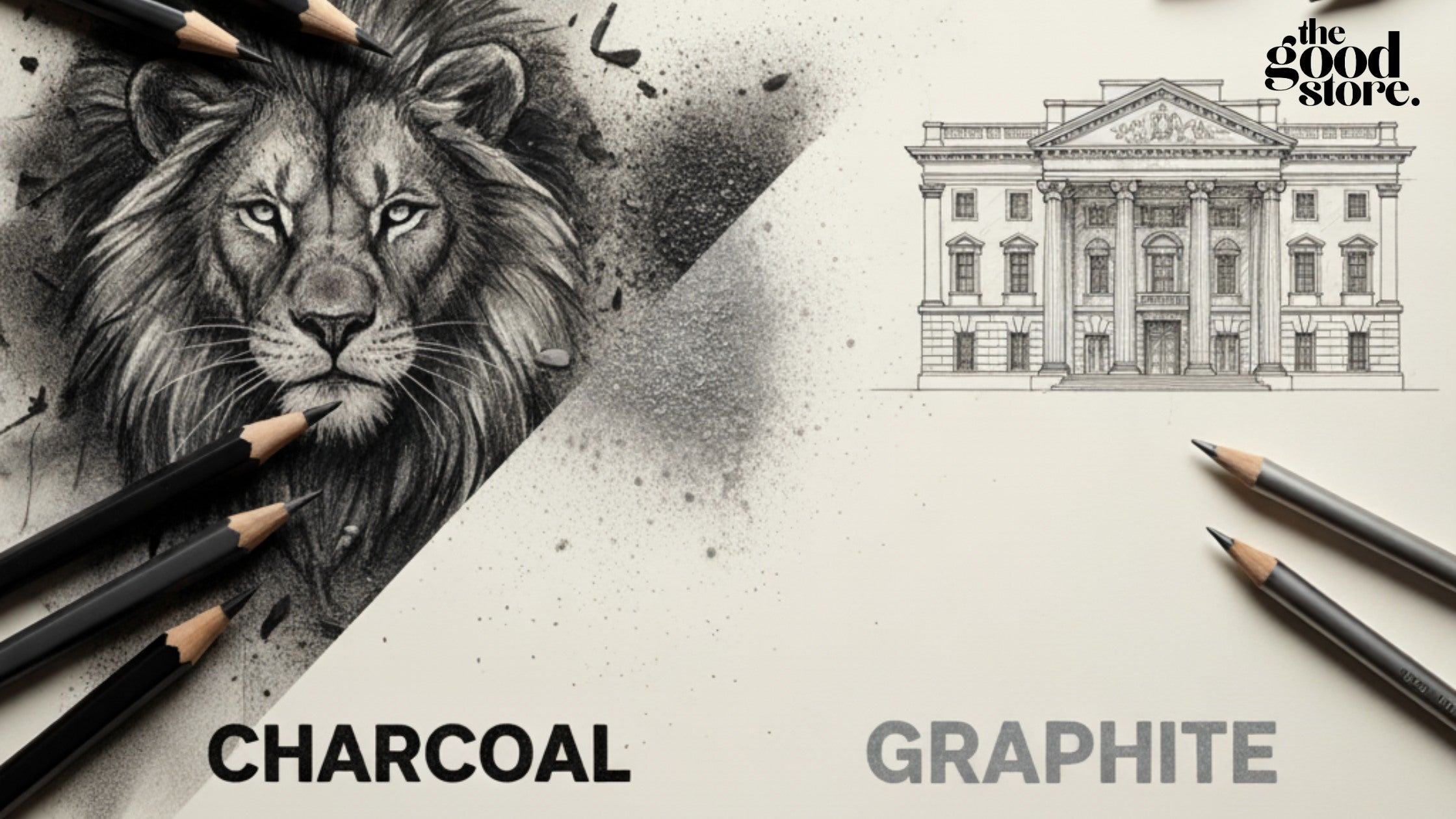
Pencils: HB and 2B for sketching and shading.
-
Erasers: a soft kneaded eraser plus a vinyl eraser for clean corrections
-
Scissors and craft knives for cutting precise shapes.
-
Adhesives: white glue and a permanent glue stick.
-
Paints: a basic set of watercolors or acrylics.
-
Brushes: one small round, one medium flat, and one large wash brush.
-
Markers and pens: a fine liner and a few colored markers for details.
-
Ruler and cutting mat to protect surfaces.
-
Protective apron and a jar for cleaning brushes.
Invest in a few reliable items rather than many low quality ones. A modest upgrade in paper and brushes dramatically improves finished results.
Beginner projects to build confidence
Pick small projects that teach different skills and finish quickly. Try these first:
-
Simple greeting cards using collage and hand lettering.
-
Mixed media journal covers combining acrylic washes and ink drawing.
-
Basic block printing with a potato or soft carving block.
-
Watercolor study of three color harmonies.
-
Decorative bookmarks using patterned paper and stitch detailing.
Each project practices a specific technique and gives you a useful object to keep or gift.
Core techniques explained
Understanding a handful of fundamental techniques helps you tackle new projects with ease.
-
Layering: start with light tones and build darker elements in stages.
-
Texture creation: use salt on watercolor, dry brushing on acrylic, or tissue collage for tactile surface.
-
Masking: protect areas with tape or frisket to create crisp shapes.
-
Blending: use clean water and soft strokes to blend watercolors or diluted acrylic.
-
Composition basics: apply the rule of thirds and leave breathing space around main elements.
Practice these in short exercises rather than full artworks. Repeat builds muscle memory and visual confidence.
Choosing your first materials wisely
Selecting the right materials for the project reduces frustration.
-
For paper based crafts choose acid free papers to prevent yellowing.
-
For paints, student grade options are economical and forgiving for practice.
-
For adhesives, use archival quality glue for items you want to preserve.
-
When exploring textiles, start with cotton fabric and basic embroidery floss.
-
If you plan to scale up later, test professional grade supplies on small studies first.
A simple test sheet where you try a material with water and light exposure helps you understand its behavior.
Organizing your creative space
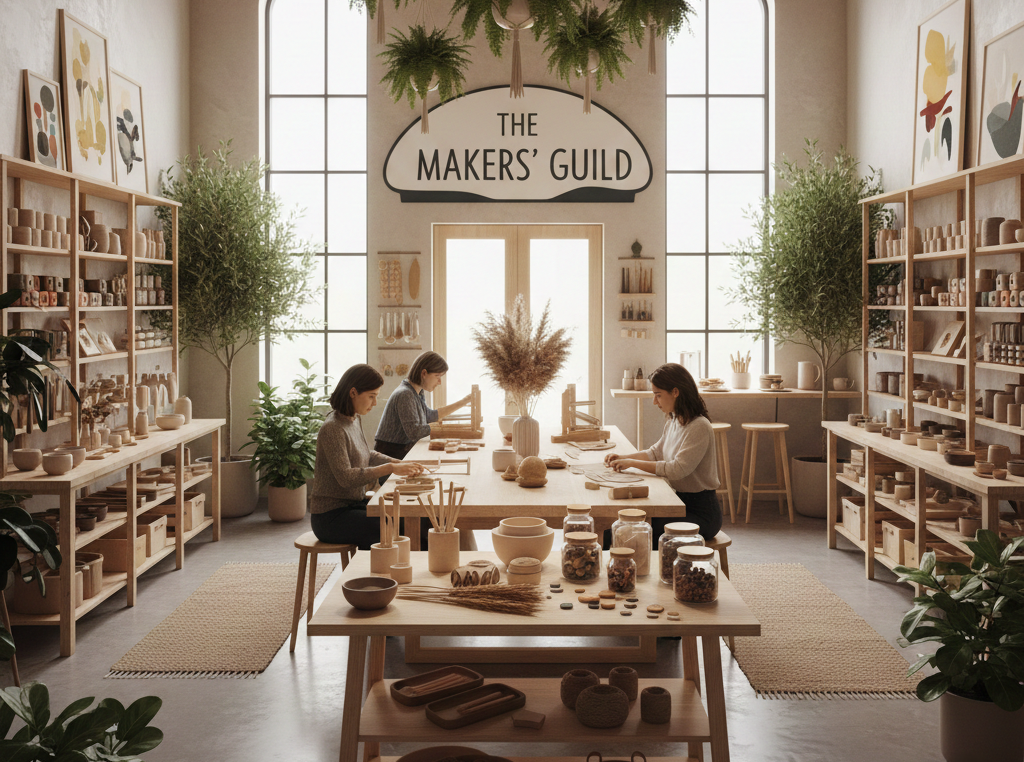
A tidy, dedicated corner invites regular practice and reduces set up friction.
Tips for a beginner friendly workspace:
-
Use clear containers so small items remain visible.
-
Keep a portable caddy with your daily tools for quick projects.
-
Lay down a washable mat to protect surfaces.
-
Reserve a shelf for drying works and an inbox for finished pieces.
-
Label supplies to make restocking straightforward.
A small investment in organization multiplies productive creative time.
When to learn new skills and where to look
Learning structured skills moves you from trial to mastery. Short online classes, local workshops, and step by step books are excellent starting points. Join community groups or social media challenges to get feedback and stay motivated. If you are exploring equipment and want to compare tools side by side this creative tools guide shows popular brands and tool pairings useful for a beginner studio.
Troubleshooting common beginner issues
Mistakes are normal and part of the process. Try these fixes:
-
Colors muddy after mixing Try layering transparent glazes instead of overmixing.
-
Paper buckles from water Use heavier paper or stretch the sheet before painting.
-
Glue shows through collage Use thinner adhesive layers and press under a weight while drying.
-
Brush hairs splay Replace low quality brushes and rinse thoroughly after each session.
Document recurring issues in a small notebook so you can track progress and solutions.

Conclusion
Art crafts invite exploration and steady improvement. Starting with a few well chosen supplies, simple projects, and short technique drills builds a reliable skillset and a satisfying creative routine. As you grow, thoughtful purchases and trusted suppliers make it easy to expand your practice without overwhelm. When you are ready to shop for curated starter kits and expert advice visit the good store for carefully selected materials and beginner friendly bundles that support sustained creative momentum. Dive in, keep experiments frequent, and enjoy the discovery process of making something with your hands.