
Inside a Modern Crafts Store: What Creative Enthusiasts Should Look For
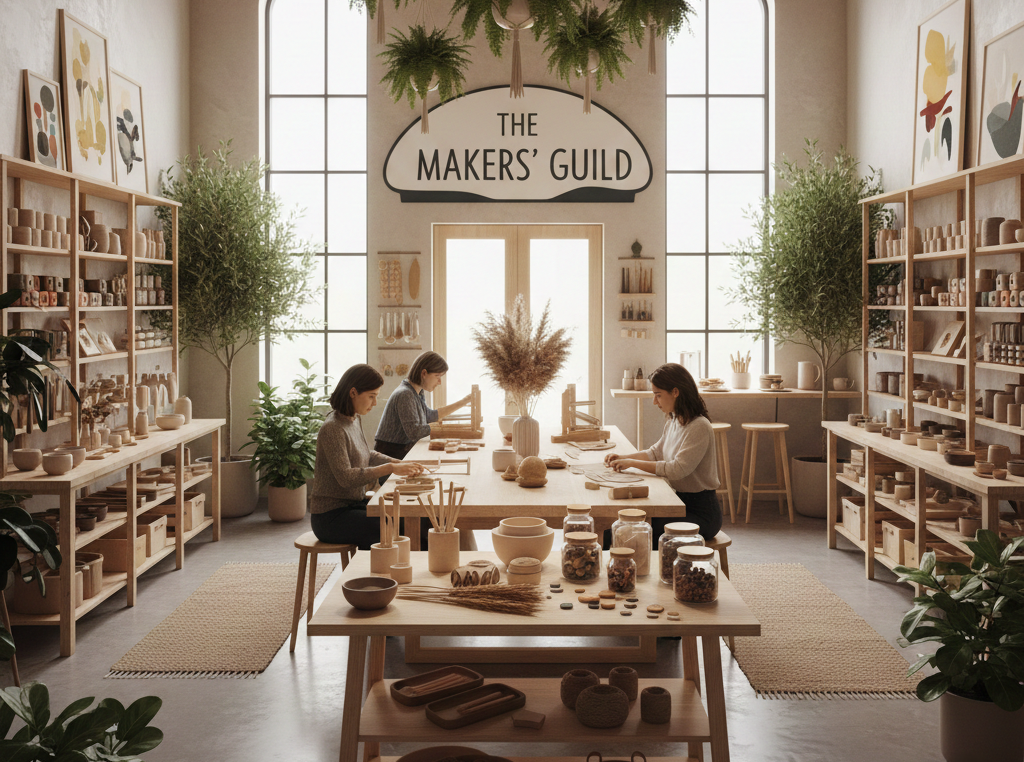
Step inside a modern crafts store and you’ll find more than shelves of supplies. From thoughtfully curated tools and sustainable materials to inspiring displays and community-driven workshops, these creative spaces are designed to spark ideas...
A thoughtful crafts store is more than shelves of supplies. It is a creative ecosystem where materials, tools, and inspiration meet practical guidance. Savvy makers know that the right retailer curates quality materials, offers clear product information, and supports learning with helpful staff or tutorials. When you walk into a modern craft retail space, you should be able to find items that match your skill level and project goals quickly, test samples to feel textures and weights, and access small-format essentials for one-off experiments. If you are hunting for supplies for classes, seasonal projects, or student kits explore the crafts store essentials that make getting started fast and fun. A store that treats shoppers as creative partners will change how you plan projects and spend time in the studio.

Why store layout and product presentation matter
A great crafts store organizes products so shoppers can move from idea to purchase with minimal friction. Look for:
-
Clear signage to find categories such as paper, fiber, adhesives, paints, and tools.
-
Product groupings that suggest project recipes like cardmaking kits or mixed-media starters.
-
Test stations for paints, markers, and papers so you can check color, opacity, and tactile qualities.
-
Sample swatches that show scale and repeat for textiles and ribbons.
Good presentation reduces decision fatigue. When supplies are presented in real-use groupings you spend less time searching and more time creating.
Materials and quality: what to prioritize
Not all materials are created equal. Knowing which attributes to evaluate helps you get the result you want.
-
Fibers: natural fibers like cotton and wool have different behavior than synthetics; consider how the material will age and wash.
-
Papers and boards: weight, tooth, and archival rating matter for longevity and appearance.
-
Adhesives: match the adhesive to the substrate; some glues are formulated for porous materials while others are best for plastics and metals.
-
Paints and pigments: lightfastness and opacity are critical for work that will be exposed to sunlight or sold.
-
Tools: ergonomic handles, secure mechanisms, and replaceable parts often justify spending more up front.
A crafts store that features clear spec sheets and staff who can explain tradeoffs helps you buy smarter and avoid costly mistakes.
Services and support that add real value
Beyond product stock, the best stores provide services that accelerate learning and project success.
-
Sample packs and small-quantity options let you experiment without committing to bulk purchases.
-
Classes and workshops turn unfamiliar techniques into usable skills within a few hours.
-
Guided project kits give step by step outcomes for gifts, home décor, and student assignments.
-
Custom cutting, mounting, or framing services save time for people who need precise dimensions or polished finishes.
These services turn a retail visit into a learning opportunity and help makers build skills quickly.
Tools and safety: what seasoned makers always check for
Tools are the bridge between an idea and a finished piece. Pay attention to build quality and safety features.
-
Sharp blades and secure locks on cutters reduce accidents.
-
Proper ventilation is essential in sections that sell solvent-based finishes and spray adhesives.
-
Clearly labeled protective equipment such as gloves and respirators should be readily available.
-
Replacement parts and consumables should be stocked so tools remain useful over time.
A crafts store that thinks about maker safety signals respect for both the customer and the craft.
Inspiration and community: the quiet power of a well run store
A store is a social node for creatives. Look for ways the retailer fosters community.
-
Bulletin boards or display walls that show customer work provide real-life inspiration.
-
Drop-in make spaces or open studio hours invite newcomers to try a technique without a big commitment.
-
Local artist collaborations and seasonal showcases connect shoppers to regional trends.
-
Friendly staff who can recommend suppliers and troubleshooting tips make repeat visits enjoyable.
When a store invests in the community it becomes a creative resource rather than just a place to buy things. If you are shopping for starter packs and student-focused supplies check the student supplies collection to find curated kits and classroom-friendly options.
Pricing and sustainability choices
Price is important but so is value. Consider durability, long term costs, and environmental impact.
-
Modular tools and refillable systems lower lifetime cost compared to disposable kits.
-
Recycled, sustainably sourced, and plant-based materials reduce environmental footprint.
-
Transparent labeling about origin and manufacturing standards helps you make informed choices.
-
Trade in or recycling programs for leftover materials keep waste out of landfills.
A modern crafts store that offers transparent pricing and sustainable alternatives helps makers align purchases with values.

How to shop strategically in person and online
Combine the strengths of both channels to save time and pick wisely.
-
Inspect tactile items like textured paper or yarn in person before committing to large orders.
-
Use online catalogs to compare specs and read reviews for specialty tools and pigments.
-
Reserve project kits online for in-store pickup to guarantee availability before a class.
-
Sign up for maker newsletters to learn about new arrivals and technique highlights.
This hybrid approach gets you the best of convenience and hands-on evaluation.
Conclusion
A modern crafts store should be a partner for makers at every skill level. The ideal retailer stocks thoughtful materials, provides useful services, and nurtures a community that inspires continued learning. Look for clear product information, sample stations, safety-minded tools, and curated kits that save time for busy creators. When you choose a store that aligns with your creative goals you spend less time guessing and more time making. To explore curated student essentials and support for classroom projects visit the good store to learn more about available kits and personalized assistance.